
What Actually Drives Gas Prices Where I Live in South Carolina
When I moved here, I figured I just needed to pick a station and get on with life. Instead, I found myself comparing zip codes, watching price boards on the way to Costco, and learning which exits on I‑26 quietly add 10 minutes to a commute because the forecourt is jammed at 5:30 p.m. If you’re trying to make sense of why prices in South Carolina feel steady one week, then jump the next, the answer isn’t one thing. It’s a mix of our tax structure, how fuel physically moves around the state, and which kind of station you pull into at 7 a.m. on a Wednesday.
The part you can’t haggle: taxes and fees you pay on every gallon
South Carolina doesn’t add state sales tax at the pump. Gasoline is taxed under a separate Motor Fuel User Fee, which hit its permanent rate of 28 cents per gallon on July 1, 2022 and remains there today. That fee applies to gasoline and diesel removed from supply terminals for sale in the state. On top of the 28 cents, there are two tiny per-gallon assessments collected upstream that still show up in the delivered cost: an inspection fee of 0.25 cents and an environmental impact fee of 0.5 cents per gallon on petroleum products. You won’t see those broken out on a receipt, but they’re baked into what distributors and retailers pay.
One practical takeaway from that structure: the state doesn’t tack a 6 or 7 percent sales tax onto a high retail price the way some states do. So in a week when crude spikes and wholesale jumps 20 or 30 cents, South Carolina’s state-level burden stays flat at the penny level. It doesn’t mean your total bill won’t move. It does mean the state’s share isn’t multiplying with the pump price, which helps explain why South Carolina regularly shows up among lower-price states in regional comparisons.
Timing matters only because of when fees are applied. The user fee is charged when fuel is removed from an IRS‑registered terminal for delivery into South Carolina. In practice, when wholesale prices drop fast, there can be a short lag before you feel it locally because stations are selling through higher-cost loads already in their tanks. Conversely, a quick wholesale jump can ripple through a market within a day or two as new loads hit racks at higher cost.
Where your gas actually comes from here, and why distance quietly adds cents
Most of our gasoline doesn’t come from a nearby refinery. It rides long-distance pipelines into storage terminals, then travels by tanker truck to stations. South Carolina’s everyday supply hinges on a few key terminals:
- Belton in Anderson County. Active petroleum terminals operate here to supply much of the Upstate.
- North Charleston near Greenleaf Street. This marine-and-pipeline hub feeds the Lowcountry and coastal markets.
- North Augusta on Sweetwater Road. This terminal cluster supports the Aiken–Augusta corridor and parts of the Midlands.
Because fuel is taxed and priced at terminal removal, distance from those terminals and the ease of getting a tanker in and out affect your final price. What I’ve seen play out after a few months of errands: stations right off a major truck route with quick-turn ingress and egress tend to compete harder and move price faster. Rural forecourts that need a longer round-trip from Belton or North Augusta often sit a little higher, especially when demand is spiky and tanker scheduling is tight.
Another quiet factor: storms and unplanned pipeline outages don’t hit every South Carolina market the same way. When supply is pinched, areas served by multiple terminals can restock faster than a corridor relying on one. That’s one reason you’ll sometimes see the same chain run a noticeably different price 90 minutes apart inside the state. It isn’t just competition; it’s trucking math back to which tank farm they’re pulling from that week.
Border math that changes your plan by corridor
Cross a state line and the tax picture changes. If you commute or road‑trip, the difference can move a fill‑up by a few dollars.
To the north, North Carolina’s motor fuels excise tax is 41.0 cents per gallon for January 1 through December 31, 2026 under NC’s inflation-indexed formula. That’s roughly 13 cents above South Carolina’s 28‑cent user fee, so on routine weeks, I try to fill in Rock Hill or Fort Mill before heading into the Charlotte metro. If you live near I‑77, I‑85, or US‑521, that single habit often beats chasing a few tenths of a cent in town.
To the south and west, Georgia pegs its state excise tax by statute and updates it periodically. In 2026 the posted gasoline rate has been in the low‑to‑mid 30‑cent range per gallon. Georgia also temporarily suspended its motor fuel excise tax for parts of spring 2026 to blunt run‑ups, which created a short‑term edge over South Carolina along I‑95 and I‑85. That pause ended, so don’t assume the gap you saw in April or May is still there in September. If you commute through the Savannah River crossings near Hardeeville or along the CSRA, the default setting most weeks is still that South Carolina’s tax load is lower than North Carolina’s and comparable to Georgia’s when Georgia isn’t in a suspension window.
On the coast, tourists driving I‑95 help set daily demand arcs. When peak travel hits on Fridays and Sundays, stations that can turn pumps fast tend to sharpen pricing to pull volume. That’s why a mega‑plaza just north of the Georgia line might be a few cents below a smaller forecourt 20 miles inland on a busy travel weekend even though they’re buying from the same terminal.
Which station format you choose in South Carolina actually changes your receipt
After a few months living here, I found that station type mattered more than any single mobile app tip. A few examples that show how formats and policies in South Carolina translate to cents, minutes, or both.
| Option | Concrete detail in SC | What it means for price and time | When I use it |
| Warehouse club fuel | Costco Gas Station, 1021 Woodruff Rd, Greenville 29607. Gas hours listed as Mon–Fri 6:00 a.m.–10:00 p.m., Sat 6:00 a.m.–8:30 p.m., Sun 6:00 a.m.–7:30 p.m.. Members only; pumps accept Visa credit, most PIN debit, and Costco Shop Cards. | Usually among the sharper retail prices in town, but limited hours and member access can create lines at peak times. If you don’t have a Visa credit card, plan on debit or a Shop Card. | Weekday mornings before 8 a.m. or evenings within an hour of close, when lines are shortest and the price edge is intact. |
| 24‑hour mega travel center | Buc‑ee’s, 3390 N Williston Rd, Florence 29506. Open 24 hours daily statewide per company policy. Food service runs breakfast early morning and hot sandwiches into late night. | Huge pump count and constant throughput keep prices competitive on I‑95. You trade time in the parking lot at peak tourist hours for easy overnight fueling on long drives. | Late‑night or very early morning on I‑95, when I want 24/7 certainty and quick in‑and‑out despite long-distance travel days. |
| Interstate truck stop | Love’s Travel Stop #424, 340 Longs Pond Rd, Lexington 29073 at I‑20 Exit 51. Store open 24 hours. Lists 100 truck parking spaces and 7 showers. | Open all night with full traveler amenities. Auto gasoline competes with nearby stations; long‑haul diesel demand doesn’t set your regular unleaded price but does keep the forecourt active. | Cross‑Midlands trips on I‑20 when I want guaranteed open pumps at 1 a.m. and the ability to grab a coffee and get back on the road fast. |
| Local convenience chain | Spinx #9001, 2601 Pelham Rd, Greenville 29615. Store hours listed as 24hr on the company’s location page. | Abundant Upstate locations and many with 24‑hour access. Prices float with local competition. Handy if you want a consistent in‑town stop at odd hours. | Everyday fill‑ups near work or the airport, especially late evenings when the warehouse club pumps are closed. |
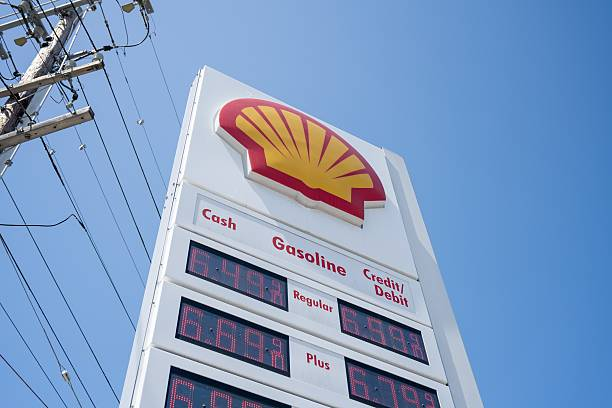
A note on “cash price” signs you’ll see around the state: dual pricing is common here. Some independent or regional chains post a small discount for cash or for using a specific debit program linked to your checking account. That isn’t a statewide rule, just a station policy. If you like working those discounts, look for clearly posted cash and card price boards before you pull into a bay. If you’d rather keep it simple, stick to stations that charge a single posted price regardless of payment method.
Paying, timing, and small habits that add up in South Carolina
Membership pumps save money when you actually use the membership. If you live near Greenville, the Costco gas station’s daily schedule gives you enough early and late windows to avoid the longest lines. I treat 6:00–7:00 a.m. and the last hour before close as the sweet spots there. If you’re a night shifter or a frequent traveler, the 24‑hour options matter more than a few pennies on price. That’s where Buc‑ee’s in Florence and interstate chains like Love’s in Lexington carry the day, since both run round‑the‑clock stores across South Carolina.
On payment, Costco gas is the one that can surprise newcomers: fuel pumps accept Visa credit, most PIN debit cards, and Costco Shop Cards. If your main card runs on another network and you don’t want to use debit, buy or reload a Shop Card in the warehouse. Outside of club stations, most forecourts statewide accept the usual mix of debit, credit, and contactless wallets, with a few still posting cash discounts for paying inside.
If you work near the state line, keep the current-year tax differential in mind as your tie‑breaker. In 2026, a fill in Fort Mill before crossing into North Carolina generally leaves you better off on gas tax alone. Along I‑95, any short‑term Georgia tax suspension you saw earlier this year has ended, so the day-to-day decision swings back to station type and traffic instead of a big tax gap. I still time my coastal fill‑ups around traffic pulses: early morning stops on Sunday get me in and out near the Savannah River while mid‑afternoon can feel like an airport security line.
Finally, remember how South Carolina gets its fuel. If a hurricane brushes the coast or there’s a brief pipeline hiccup, the places closest to North Charleston, Belton, or North Augusta terminals usually stabilize first. When things tighten, I skip chasing a mythical cheapest gallon across town and aim for stations that consistently move a lot of volume. Velocity on the forecourt matters as much as a price board snapshot, because those sites tend to reflect today’s wholesale faster in both directions.
Key things I learned the hard way
- South Carolina’s state burden on gasoline is 28¢ per gallon plus small upstream fees. There’s no added state sales tax at the pump, so our tax isn’t multiplying with price spikes.
- Gas is taxed when it’s removed from a terminal, not when you swipe your card. That’s why wholesale moves can take a day or two to show up at your corner station.
- Border math matters. In 2026, North Carolina’s rate is 41.0¢. Georgia’s rate is adjusted by its revenue department and was temporarily suspended in spring 2026, but that pause ended. For routine weeks, filling in South Carolina before heading north is still the easy win.
- The station you choose changes both price and your clock. Costco Greenville gas runs 6 a.m.–10 p.m. on weekdays; Buc‑ee’s Florence and Love’s Lexington are 24 hours. If you work odd hours, the open sign beats a two‑cent swing.
- Watch for cash/debit discounts at independent stations if you don’t mind paying inside. If you want one price and a quick swipe, stick to chains that post a single price for all tender types.
Reader Q&A
Why does gas seem cheaper here than right across the line in North Carolina?
In 2026, North Carolina’s excise tax is 41.0 cents per gallon, compared with South Carolina’s 28‑cent user fee. That roughly 13‑cent difference is often enough to offset small local price quirks. If you’re on I‑77 or I‑85, filling up on the South Carolina side remains a solid baseline habit.
Is there still a Georgia tax break that makes it cheaper to wait until after the Savannah River?
Georgia suspended its state excise tax earlier this year for a limited period, which did create a short‑term advantage along I‑95 and I‑85. That suspension ended. Day to day in September, the decision swings back to station format, traffic, and your route rather than a sustained tax gap.
Do we pay sales tax on gas in South Carolina?
No. Motor fuel is subject to the Motor Fuel User Fee, not the state sales tax. You won’t see a percentage sales tax line added to gasoline on your receipt. The 28‑cent user fee, plus the small inspection and environmental per‑gallon fees collected upstream, are already embedded in the delivered cost.
What’s the most practical way to save without chasing prices every day?
Pick one reliable station format that fits your schedule and stick with it. If you’re near Greenville, the Costco gas hours make early and late fills easy for members. If you travel at odd hours, the 24‑hour options like Buc‑ee’s in Florence or Love’s in Lexington trade a tiny price difference for guaranteed access and less hassle.
When you’re choosing where to fill, start with what you can control: the station type and your timing. If you can hit Costco during its posted gas hours or make your interstate stop at a 24‑hour plaza during off‑peak windows, you’ll save both money and minutes more consistently than chasing a one‑day, one‑exit price rumor.
Published: September 8, 2026