
Why Charleston Packs So Many Colleges Into One Small Peninsula
Families driving down I‑26 to compare Clemson, USC, and Coastal often ask a blunt question: why do so many colleges fit inside Charleston’s tight street grid, and how do you tell them apart in a weekend of tours? The short version is that seven distinct institutions operate within a few miles of each other, from a public liberal‑arts campus on the Cistern Yard to a senior military college beside Hampton Park to a graduate‑only health sciences university. The long version is below, with specific costs, addresses, and visit tips that make the choices clearer.
If you are starting your list with a price check, one anchor number helps: the College of Charleston’s in‑state undergraduate tuition for 2025–26 is $6,259 per semester for a full‑time student, while out‑of‑state runs $19,192 per semester. That figure was set by the Board of Trustees on June 2, 2025, and it frames the rest of the local options that sit just a few blocks apart downtown or a quick hop away in North Charleston.
Where each campus actually is, in local terms
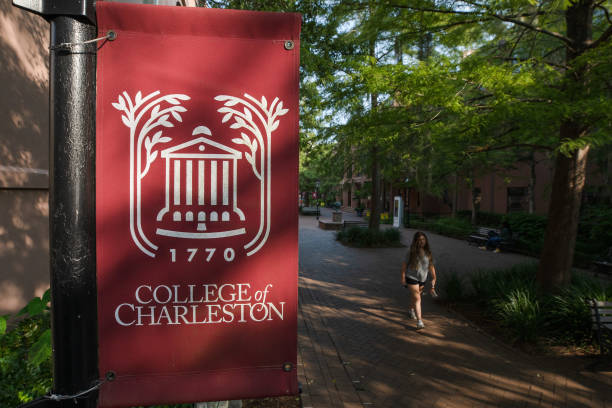
College of Charleston sits squarely on the peninsula, centered on the Cistern Yard and George Street. It is the walk‑and‑see campus most families picture when they think “Charleston.” Expect to spend most of your visit between King Street and Meeting Street in the historic core.
The Citadel, South Carolina’s senior military college, occupies a walled campus at the northwest edge of the peninsula beside Hampton Park. If you plug it into your map app, the mailing address is 171 Moultrie Street, Charleston, SC 29409. The military life is visible to visitors most Fridays when cadets hold dress parades on Summerall Field.
Medical University of South Carolina (MUSC) anchors the city’s medical district. The College of Graduate Studies lists 68 President Street, Charleston, SC 29425, as its office location, and you will also see MUSC addresses along Ashley Avenue and Bee Street. The feel is urban medical center, not a traditional freshman quad.
Charleston School of Law is on the peninsula near Marion Square at 385 Meeting Street, Charleston, SC 29403. On weekdays, the main line posts standard office hours of 8 a.m. to 5 p.m., which makes it easy to time a drop‑in between other tours.
American College of the Building Arts (ACBA) is farther up the peninsula in the Upper Peninsula/NoMo corridor at 649 Meeting Street, Charleston, SC 29403. This is a hands‑on crafts campus with shop spaces you won’t mistake for standard classrooms.
Two more sit just off the peninsula:
Charleston Southern University (CSU) is in North Charleston at 9200 University Boulevard, Charleston, SC 29406, directly off I‑26. You will notice the Baptist identity in campus life and housing language, but it operates a full set of secular majors in business, nursing, and the sciences.
Trident Technical College (TTC) is the regional two‑year college system serving three counties. The main Thornley Campus is at 7000 Rivers Avenue, North Charleston, SC 29406, and TTC also runs the compact Palmer Campus on the peninsula for students who need a downtown option.
Costs and concrete signals to compare
Prices move year to year, but these published figures are current and useful for side‑by‑side planning.
College of Charleston held in‑state full‑time tuition at $6,259 per semester for 2025–26, with out‑of‑state at $19,192. If you are planning a semester abroad through a College‑sponsored or exchange program, you pay CofC’s published in‑state tuition during the term abroad, which is an uncommon rule that can make a summer or semester overseas more affordable even for out‑of‑state students.
The Citadel prices differently because the Corps of Cadets model bundles required items. For 2026–27, resident cadets see annual flat‑rate tuition of $13,140 for 12–21 hours, plus required room and board of $11,245. New cadets also budget a $9,300 Quartermaster deposit for uniforms and gear and a $1,250 Leadership Lab fee. The undergraduate application fee is $40 on the cadet application. If you are looking instead at The Citadel Graduate College or degree‑completion programs, the 2026–27 undergraduate civilian flat rate shows at $6,570 per semester for residents, with per‑credit and online rates spelled out separately.
Charleston School of Law lists 2026–27 tuition at $50,100 for full‑time J.D. students and $40,200 for part‑time, plus required student fees published on its tuition page. The school operates as a private, ABA‑accredited 501(c)(3) and posts weekday office hours of 8 a.m.–5 p.m. at 385 Meeting Street, which is useful if you want to confirm visit details in person while you are downtown.
MUSC is not a one‑price campus because each college sets its own schedule, but a concrete example helps. The College of Graduate Studies’ Master of Science in Medical Sciences posts a $95 application fee, and the program page publishes the current tuition and cost‑of‑attendance items by residency. If you are exploring MUSC’s Ph.D. pathways, note that the College of Graduate Studies waives the $95 application fee for U.S. citizens and permanent residents applying to Ph.D. programs (with a specific exception for the Nursing Ph.D.).
ACBA publishes 2026–27 tuition of $10,184 per semester with an $835 per‑semester institutional fee, a one‑time $50 application fee, and part‑time study at $828 per credit hour. The Financial Aid office lists walk‑in hours of 8 a.m.–4 p.m., Monday–Friday at 649 Meeting Street, which is unusual access for a private college and helpful if you want to sort tools and shop fees face to face.
Charleston Southern University posts a flat undergraduate tuition of $17,135 per semester for 12–18 credit hours, with $515 per credit hour for part‑time, summer, or overload hours. An online undergraduate application carries a $25 nonrefundable fee. One affordability flag to know is CSU’s Buc Promise, which pledges to cover tuition for Pell‑eligible students with a GPA threshold noted on the tuition page.
Trident Technical College is the price outlier by design. For Fall 2026 through Summer 2027, tri‑county residents (Charleston, Berkeley, Dorchester) are billed $200 per credit hour in tuition plus a $18.34 per‑term registration fee. Once you hit 6 credit hours, the Lottery Tuition Assistance line reduces your total bill according to a published schedule. TTC’s tuition page prints the per‑hour math for local residents, other S.C. residents, and out‑of‑state students so you can estimate precisely before you register.
| Institution | Area | Focus | 2026 price/fee signal | Admissions or visit note |
| College of Charleston | Downtown Charleston | Public liberal arts and sciences | In‑state tuition $6,259/semester for 2025–26; out‑of‑state $19,192 | College‑sponsored and exchange study abroad bills at in‑state tuition. |
| The Citadel | Hampton Park area | Senior military college (Corps of Cadets) | Resident tuition $13,140/year plus required room/board $11,245 and Quartermaster deposit $9,300 (freshmen) | Free public cadet parades most Fridays at 1545 during fall and spring. |
| MUSC | Medical District | Graduate/professional health sciences | MSMS application fee $95; Ph.D. app fee waived for many U.S. applicants (except Nursing Ph.D.) | College of Graduate Studies office at 68 President Street. |
| Charleston School of Law | Peninsula near Marion Square | Juris Doctor and LL.M. programs | 2026–27 full‑time tuition $50,100 | Main office hours 8 a.m.–5 p.m., address 385 Meeting Street. |
| American College of the Building Arts | Upper Peninsula/NoMo | Building trades bachelor’s programs | Tuition $10,184/semester; part‑time $828/credit; app fee $50 | Freshman cohort capped at 48; Financial Aid walk‑in 8 a.m.–4 p.m. |
| Charleston Southern University | North Charleston | Private university | Flat full‑time tuition $17,135/semester; online undergrad app fee $25 | Address 9200 University Boulevard; Buc Promise covers tuition for qualifying Pell‑eligible students. |
| Trident Technical College | North Charleston (main) | Two‑year transfer and workforce | Tri‑county residents $200/credit plus $18.34 registration; Lottery Assistance applies at 6+ credits | Main campus at 7000 Rivers Avenue; Palmer Campus serves the peninsula. |
What makes each option distinctly different
College of Charleston vs. The Citadel
Students who want a classic residential experience with open‑ended majors and a walkable arts scene are usually picturing the College of Charleston’s core around the Cistern. By contrast, The Citadel’s undergraduate life runs through the Corps of Cadets. Uniforms, formations, mandatory on‑campus living for cadets, and Friday reviews are built into the experience. That difference shows up financially, too. The Citadel posts an annual Quartermaster deposit for uniforms and gear and a Leadership Lab fee alongside tuition and room/board. CofC’s published tuition does not bundle those military‑specific items because they are not part of campus life there.
MUSC and Charleston School of Law are professional destinations
Prospective freshmen often circle MUSC on the map, then find out it is primarily a graduate and professional institution. MUSC does run bachelor’s options in the College of Health Professions, but they are designed as degree‑completion pathways or second‑degree programs with minimum prior‑credit requirements, not a standard first‑year residential cohort. The law school is also a focused destination. Charleston School of Law’s J.D. tuition for 2026–27 is $50,100 for full‑time study, and many of its visit opportunities are weekday open houses rather than the daily freshman tours common at four‑year campuses.
Two hands‑on lanes you won’t mix up: ACBA and TTC
ACBA is small by intent. The freshmen cohort is capped at 48 students and tuition is posted at $10,184 per semester, with shop‑ and craft‑specific costs published down to the estimated tool kits. It sits in the Upper Peninsula/NoMo corridor at 649 Meeting Street, which puts students close to active job sites and preservation projects. TTC, by contrast, is the area’s broad on‑ramp for transfer and workforce credentials. The tri‑county $200 per‑credit resident tuition and $18.34 registration fee mean a 12‑credit fall for a local student starts at a little over $1,500 before Lottery Assistance reductions kick in, a number that is hard to match if your immediate goal is a certificate, an associate degree, or a transfer GPA boost.
A private four‑year option with a clear pricing page: CSU
Charleston Southern’s tuition is easy to read: $17,135 per semester for 12–18 credit hours, $515 per credit hour otherwise, plus housing and meal plan selections. If you are running a family budget check, CSU also lists a mandatory commuter meal plan of $271 per semester for full‑time commuters and spells out common course fees, from lab classes to music lessons. An online undergraduate application is $25, and the published Buc Promise program puts a tuition‑coverage line within reach for Pell‑eligible students who meet its academic threshold.
Pathways that link these campuses, and a few advantages you only notice locally
One reason Charleston’s density works is that the campuses cooperate. The College of Charleston and Trident Technical College run a direct‑admission pathway that includes the EPIC Scholars program. It is built for students who begin at TTC and complete an associate degree, then transition directly to CofC with structured advising and a published 20% tuition discount for EPIC Scholars. That is unusually explicit for a four‑year/technical college partnership and can keep a student’s overall bachelor’s degree cost competitive with in‑state universities farther up the interstate.
The Citadel’s weekly rhythm is a second local advantage you can plan around. If you want your student to see cadet life as it really looks, time your visit for a Friday review. Parade times vary through the semester, but the published Fall 2026 list shows most reviews stepping off at 1545, and they are free and open to the public. Bring a few dollars for the campus bookstore afterwards, then slide over to a late‑afternoon information session if you booked one.
ACBA’s accessibility is a third. The Office of Financial Aid lists Monday–Friday 8 a.m.–4 p.m. hours at 649 Meeting Street. If you have questions about tool costs by craft specialization or the timing of the $300 enrollment fee, you can get answers in the same visit you tour the shops.
MUSC adds two practical cost notes for planners. If you are testing the waters in health professions, the College of Graduate Studies publishes a $95 application fee for its MS in Medical Sciences and keeps a current list of cost‑of‑attendance items. If you are preparing for a research doctorate, the same college waives the $95 Ph.D. application fee for U.S. citizens and permanent residents (with the Nursing Ph.D. as an exception), which matters if you are applying to multiple labs across health sciences.
Visit logistics inside city limits
Downtown traffic is real, but visits are workable with a little planning. The law school’s weekday office window of 8 a.m.–5 p.m. at 385 Meeting Street is broad enough to pair with a CofC morning tour and a walk through the MUSC medical district. If your route includes Hampton Park, set a reminder for The Citadel’s 1545 reviews and pad time to clear Lesesne Gate before formation.
North Charleston itineraries are simpler by car. CSU sits directly off I‑26 at 9200 University Boulevard, so you can park, meet Admissions, and drive ten minutes to TTC’s Thornley Campus at 7000 Rivers Avenue to compare a transfer plan in the same afternoon. If you need a peninsula stop at TTC, the Palmer Campus saves you a cross‑town drive.
Finally, ACBA’s Upper Peninsula address at 649 Meeting Street is close to the Ravenel Bridge on‑ramps. If you are crossing into Mount Pleasant for hotels or dinner, you can tour ACBA late in the day and be on the bridge in minutes.
Key things to know before you lock in a choice
- CofC publishes $6,259 per semester for in‑state undergraduates in 2025–26, and its sponsored or exchange study abroad bills at the in‑state rate.
- The Citadel’s Corps of Cadets pricing bundles more than tuition. Plan for $13,140 tuition plus $11,245 room/board and a first‑year $9,300 Quartermaster deposit.
- Charleston School of Law’s 2026–27 J.D. tuition is $50,100 full‑time. Office hours run 8 a.m.–5 p.m. at 385 Meeting Street for quick visit questions.
- MUSC’s College of Graduate Studies lists a $95 MSMS application fee and waives the Ph.D. app fee for many U.S. applicants (exception: Nursing Ph.D.).
- ACBA is small by design with a 48‑student freshman cohort and $10,184/semester tuition. Financial Aid is open 8 a.m.–4 p.m., M–F.
- CSU’s undergraduate tuition is $17,135/semester (12–18 hours). The online undergrad application is $25, and Buc Promise can cover tuition for qualifying Pell‑eligible students.
- TTC prices tri‑county residents at $200/credit plus $18.34 per‑term registration, with Lottery Tuition Assistance applied from 6 credits up.
- CofC and TTC operate a direct‑admission bridge; EPIC Scholars includes a 20% CofC tuition discount for participants after transfer.
Reader Q&A
Is MUSC a realistic starting point right out of high school?
Not in the same way as CofC or CSU. MUSC is primarily graduate/professional. Its bachelor’s options are designed as degree‑completion or second‑degree programs with minimum prior‑credit requirements, while freshmen aiming for a classic four‑year start typically choose CofC or CSU, or begin at TTC and transfer.
Can I really see The Citadel’s cadet life if we only have a Friday afternoon?
Yes. The Citadel publishes a dress‑parade schedule for fall and spring, and most reviews step off at 1545 on Fridays. The event is free and open to the public, so you can time a campus stop to match the formation and still make an evening visit downtown.
We’re weighing CSU against starting at TTC. What’s the clearest cost difference?
CSU’s full‑time tuition is $17,135 per semester for 12–18 hours, with an online application fee of $25. TTC bills tri‑county residents at $200 per credit hour plus a $18.34 registration fee, and Lottery Tuition Assistance reduces totals from 6 credits up. Many students complete an associate degree at TTC, then move to CofC under the direct‑admission program with an EPIC Scholars tuition discount.
What makes ACBA different from just taking a shop class at a community college?
ACBA grants bachelor’s degrees in the building arts with a freshman cohort capped at 48, publishes per‑craft tool costs, and lists $10,184/semester tuition with part‑time at $828/credit. It is a four‑year path blending studio, shop, and academics, not a short‑term certificate.
If you are still trimming the list, start with format and outcome. Pick the campus that matches how you want to study (open‑ended liberal arts, regimented cadet life, hands‑on building trades, professional prep) and confirm one or two hard numbers above against your budget. That will narrow seven Charleston options to the two you actually need to visit twice.
Published: September 7, 2026